
Week of 5/11 - 5/15
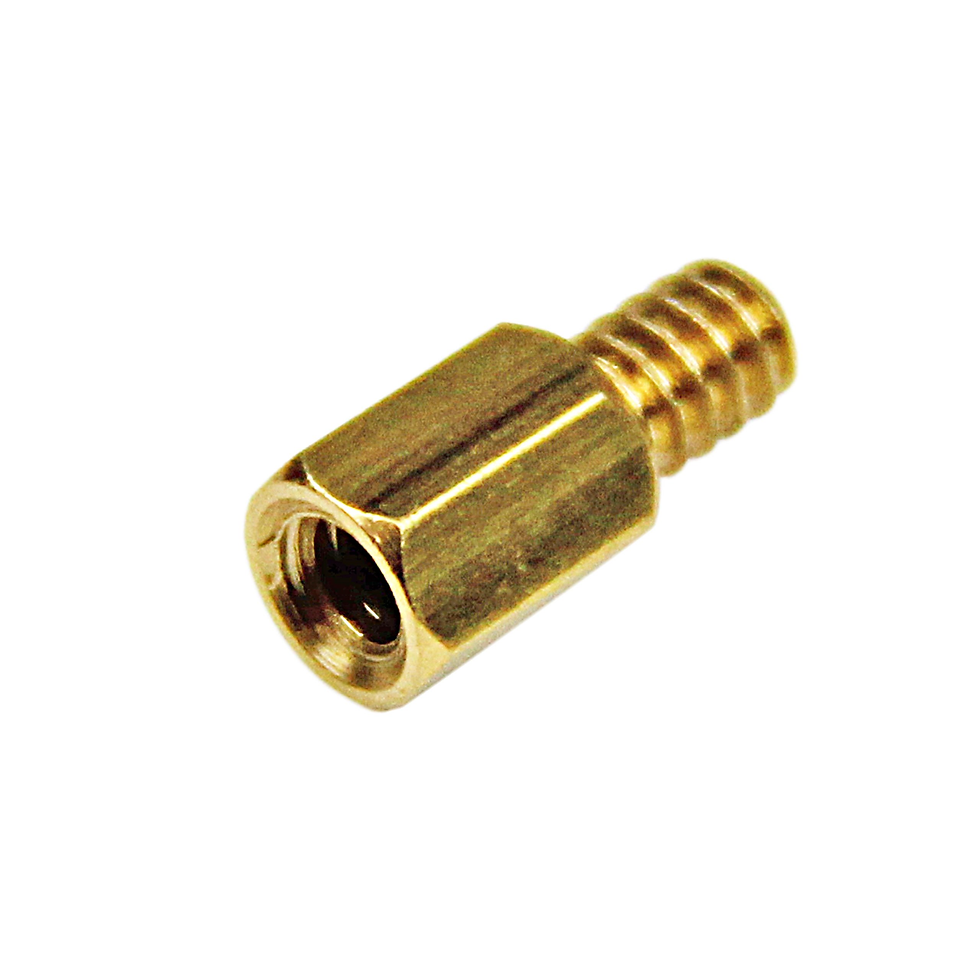
This week, I started out by installing the rest of the standoffs that I hadn't put on yet. There were only six that I needed to attach, but they helped because three of the legs were wobbling a bit. With these attached, all the motors were secure, and now the legs don't move when I don't want them to.
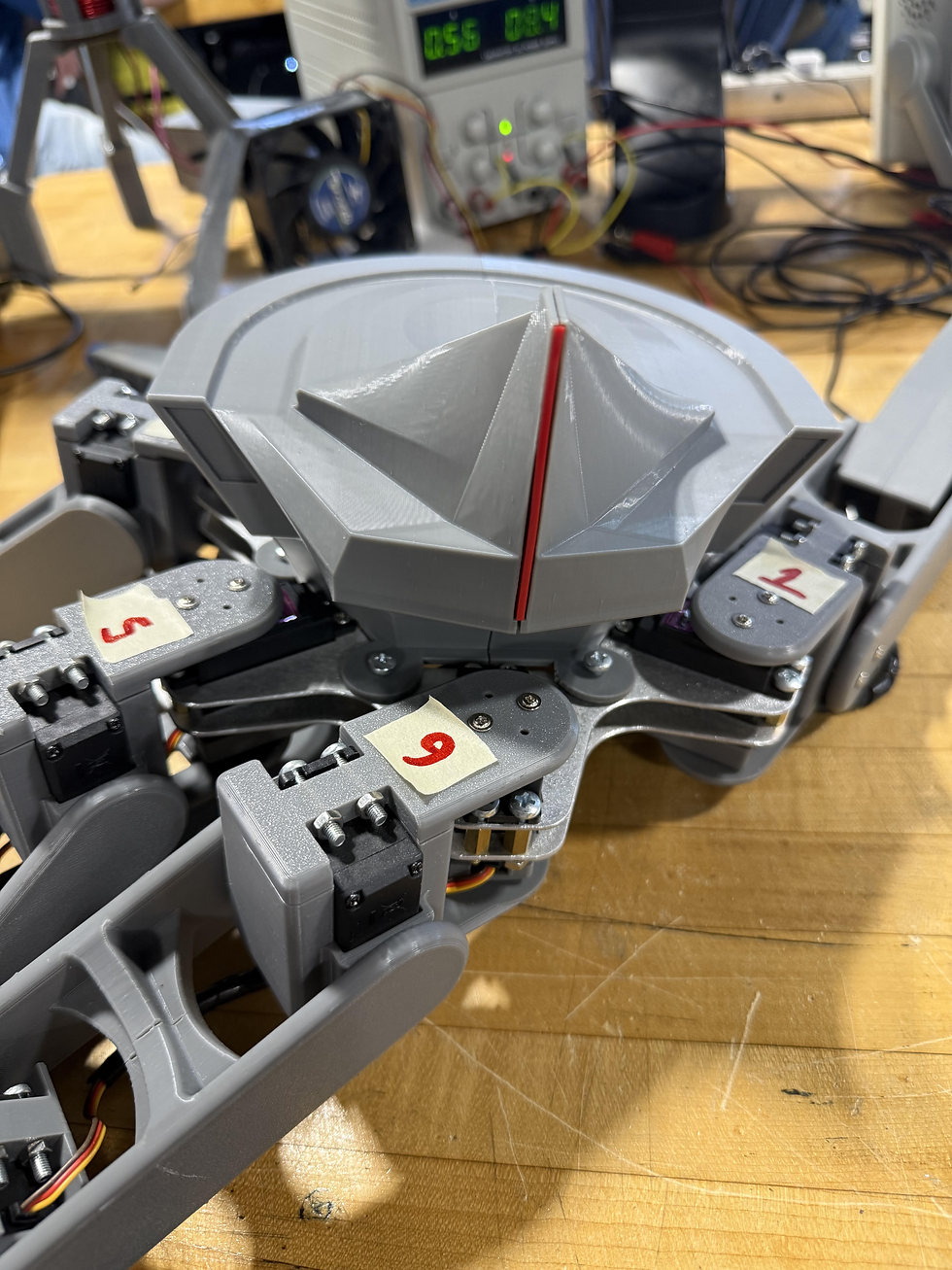
After that was done, I then started to get to work on making it so the walking gait would move straight instead of sideways a little bit. I mapped out all the points that a leg will move to and found out that, funnily enough, it's actually in a hexagon pattern, which I should have expected, but it was still pretty interesting. I found that the error wasn't actually because of my code, but rather because of how I was implementing the gait itself.

I looked at a lot of other people's ways of implementing walking into a hexapod. I found out that typically they'll use a ripple wave or tripod gate, with the tripod gate being the fastest since it uses two sets of three legs. A ripple gate uses three sets of two legs, and a wave gate simply moves one leg at a time, which is by far the slowest. I might experiment with using a ripple gate instead of a tripod gate because that should make it a lot more stable and also make it so we can move the legs cleanly each time.

I also discovered that if I wanted to make it so that it wouldn't move sideways every once in a while, I would have to make it so that going up and down is its own separate action instead of being part of the action that moves the legs forward and backwards. Just so that it moves, then places it down instead of moving and placing it at the same time. This can cause it to slide across the surface or table, or whatever it's on, by accident instead of getting a firm grip and then moving.


Comments